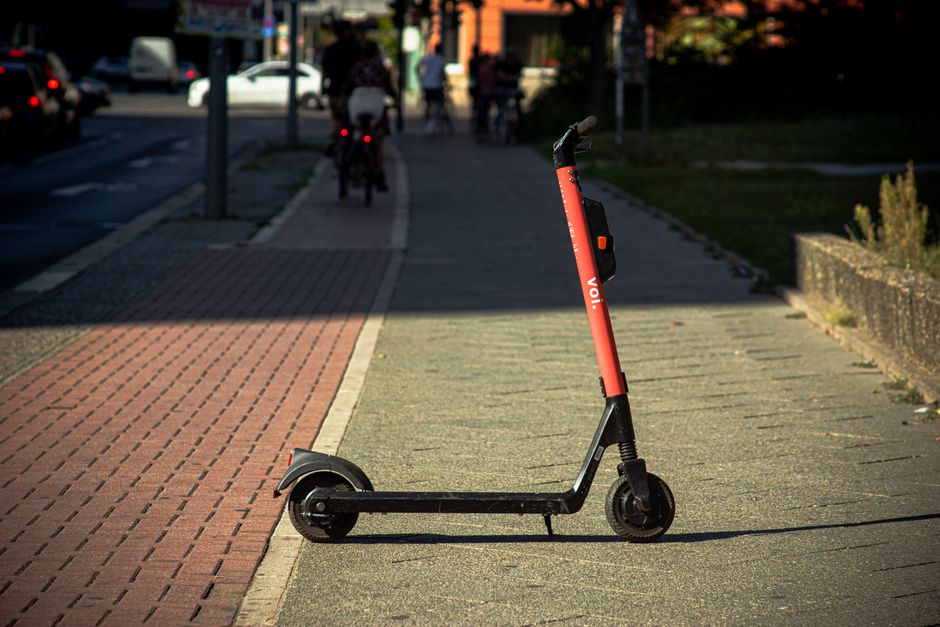
E-scooters have become a familiar sight on Irish streets, but the big question hanging over the whole debate is whether tougher laws actually make them safer. Across Europe, governments have been scrambling to regulate the devices, and Ireland is no exception. But the honest answer, according to researchers, is that we still don’t fully know what works.
Ireland introduced legislation in 2022 bringing e-scooters into a legal framework for the first time, setting speed limits, age restrictions, and rules around where they can be ridden. It was a significant step, but regulating a fast-moving trend is easier said than done, and enforcement has been patchy at best.
The core problem is that e-scooters sit in an awkward space between cycling and motorised transport. They’re fast enough to cause serious injury, but small enough that people tend to treat them casually. Riders hop on without helmets, weave through pedestrian areas, and share footpaths with people on foot. The injuries that follow range from broken wrists to serious head trauma.
Hospitals around Ireland have already flagged the rising number of e-scooter related injuries coming through emergency departments. Beaumont Hospital and other Dublin facilities reported a noticeable spike in cases even before the devices were fully legalised, when people were using them in a grey area with virtually no oversight.
So what have other countries tried, and has any of it worked? France made helmets mandatory and banned e-scooters from pavements. Paris went even further, voting to ban rental e-scooters from the city entirely in 2023 after a public referendum. Spain introduced strict rules requiring riders to have a licence-style certification. Germany has had regulations in place since 2019, limiting speeds and restricting where the scooters can go.
Researchers looking at the data from these countries say the picture is complicated. There’s some evidence that pavement bans reduce pedestrian injuries, which makes obvious sense. But whether overall injury rates drop is harder to measure, partly because the number of e-scooter users keeps growing, which naturally pushes up the raw number of incidents even if the rate per rider stays flat.
Helmet laws are another grey area. In theory, mandatory helmet rules should cut head injuries. In practice, enforcement is difficult, and some studies suggest that overly strict rules just push people towards unregulated private scooters rather than the rental schemes that are easier to monitor and control.
Back in Ireland, the rental market has grown steadily in Dublin and other cities, with companies like Tier and Lime operating fleets that come with built-in speed limiters and geo-fencing technology that slows or stops scooters in certain zones. That kind of tech-based regulation is seen by many experts as more practical than relying on Garda enforcement alone.
But private ownership is where the real challenge lies. Someone who buys their own scooter faces far less scrutiny than someone using a rental app. There’s no automatic speed limiting, no geo-fencing, and no company monitoring usage patterns. The rules exist on paper, but out on the street, they can be hard to apply.
Irish cycling and road safety advocates have been pushing for clearer infrastructure as part of the solution. The argument is that a lot of dangerous e-scooter behaviour, like riding on footpaths or going the wrong way on roads, happens because riders don’t feel safe in traffic. Build proper cycling and micromobility lanes, the thinking goes, and you give riders a safe space that also keeps pedestrians protected.
The Road Safety Authority has been working on public awareness campaigns, but awareness only goes so far when the habits around e-scooters are still being formed. Ireland is still relatively early in the process compared to countries that have had legal e-scooters for five or six years.
What the European evidence does suggest is that no single measure is a silver bullet. The countries that seem to be doing best are those combining infrastructure investment, technology-based controls, clear rules on where riding is permitted, and consistent public messaging. Picking just one approach and expecting results is unlikely to move the needle much.
For Ireland, the next few years will be telling. The legal framework is in place, but how it gets enforced and built upon will determine whether e-scooters become a safe part of urban transport or a continuing source of preventable injuries on Irish streets.