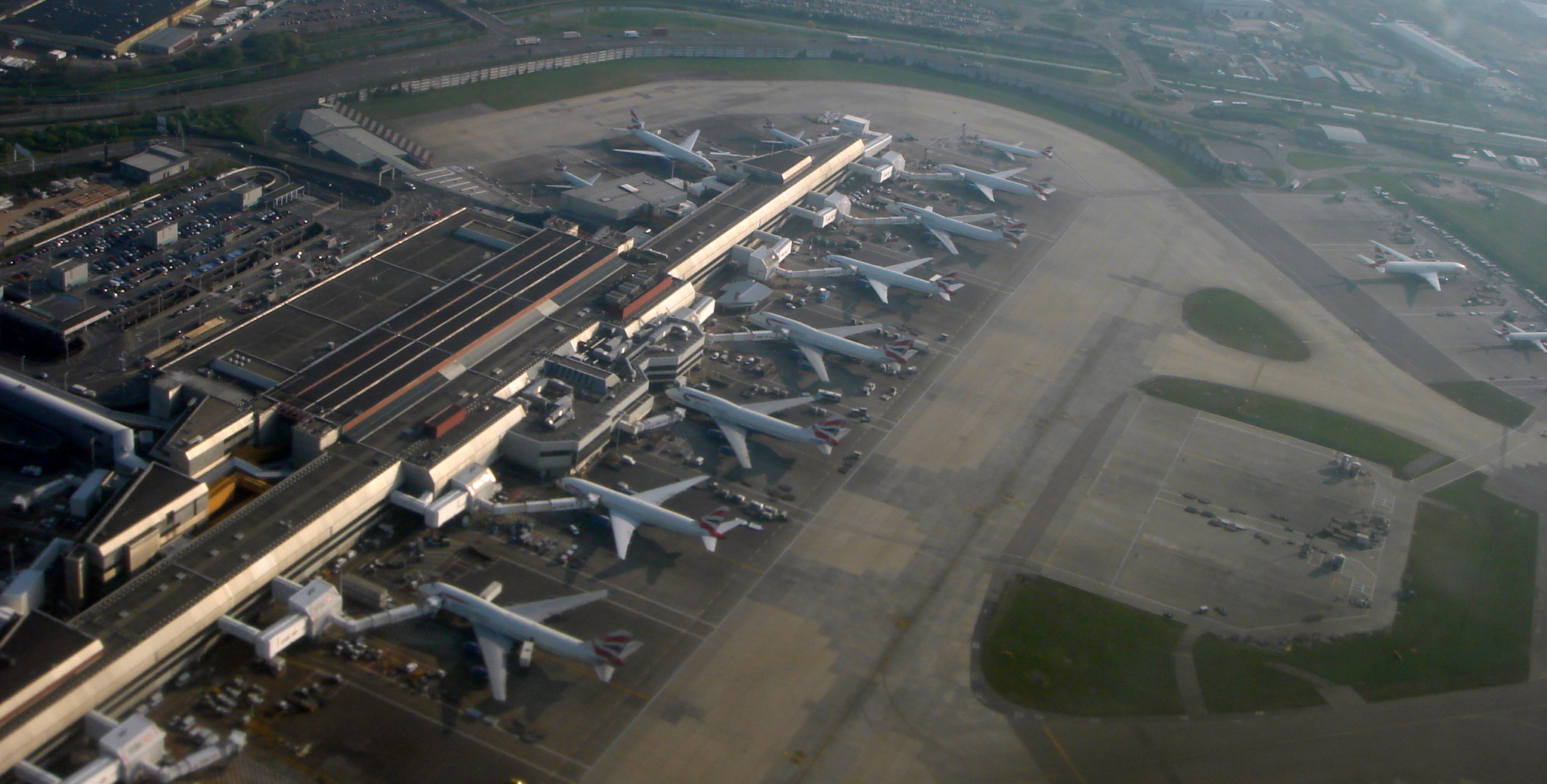
London’s Heathrow Airport is dangerously close to losing its long-held title as Europe’s busiest aviation hub, with Istanbul Airport hot on its heels.
According to new figures from airports group ACI Europe, Heathrow barely held onto the top spot in May, beating its Turkish rival by a razor-thin margin of just 3,012 passengers. While both travel hubs recorded an impressive 7.12 million passengers for the month, they are moving in opposite directions: Istanbul enjoyed a 2% year-on-year boost, while Heathrow’s passenger traffic slipped by 1.2%.
Heathrow’s recent dip in numbers is largely tied to geopolitical tensions. Airport executives recently warned that the ongoing Iran-US conflict is putting “notable downward pressure” on travel, causing traffic on its Middle East routes to plummet by 25%. Consequently, Heathrow expects its overall passenger numbers to drop by 1.1% this year compared to 2025.
Despite the temporary turbulence, Heathrow is far from slowing down. Its two runways are currently operating at near-full capacity, handling around 84.5 million passengers last year. To maintain its global dominance, the airport’s owners are pushing hard for a controversial third runway, which would expand its capacity to a massive 150 million passengers annually.
The expansion plans are already in motion at the government level. Last month, Transport Secretary Heidi Alexander launched a consultation on the necessary conditions for the project to proceed. Meanwhile, Chancellor Rachel Reeves has made it clear that she wants to see “spades in the ground” for the new runway during the current Parliament, with a target completion date of 2035.
Key Takeaways:
- The Gap: Heathrow beat Istanbul by just 3,012 passengers in May (both saw roughly 7.12 million travelers).
- The Trend: Istanbul’s passenger numbers grew by 2% year-over-year in May, while Heathrow’s fell by 1.2%.
- The Cause: Geopolitical tensions in the Middle East have caused a 25% drop in traffic on Heathrow’s routes to the region.
- The Future: Heathrow is seeking government approval to build a third runway, which would nearly double its capacity to 150 million passengers a year.